Travel Tips · Getting Around
Trains delayed. Buses missed. Wrong ticket bought. We've made every transport mistake so you don't have to. Here's everything we've learned about getting around — anywhere.
Booking hacks, seat classes, and overnight rail tips from 30+ countries.
Local buses, intercity coaches, and when to skip them entirely.
Budget airline tricks, layover planning, and baggage strategies that save money.
Tuk-tuks, auto-rickshaws, ferries, and ride-hail apps around the world.
Why Transport Matters
Here's a truth most travel guides gloss over: how you get between places shapes your trip more than where you sleep or what you eat. Transport is the connective tissue of every journey. Get it right and you have extra hours at sunrise viewpoints, unplanned conversations with locals on slow trains, and the quiet satisfaction of not overpaying for a taxi at 2 a.m. Get it wrong and you're stranded outside a closed bus station holding a ticket printed in a language you can't read.
These travel tips transport strategies come from years of missed connections, triumphant last-minute bookings, and the hard-earned realisation that Google Maps doesn't know everything — especially in Southeast Asia after dark. Whether you're riding sleeper trains across India, navigating the metro in Tokyo, or flagging down a songthaew in Chiang Mai, these tips will save you time, money, and at least one meltdown.
Transport Modes Explained
Each mode of transport has its own rhythm, its own tricks, its own traps. A flight that saves three hours might cost you four once you factor in airport transfers and security queues. A "luxury" bus might mean reclining seats — or it might mean a chicken on your lap. Here are the six transport categories worth mastering before your next trip.

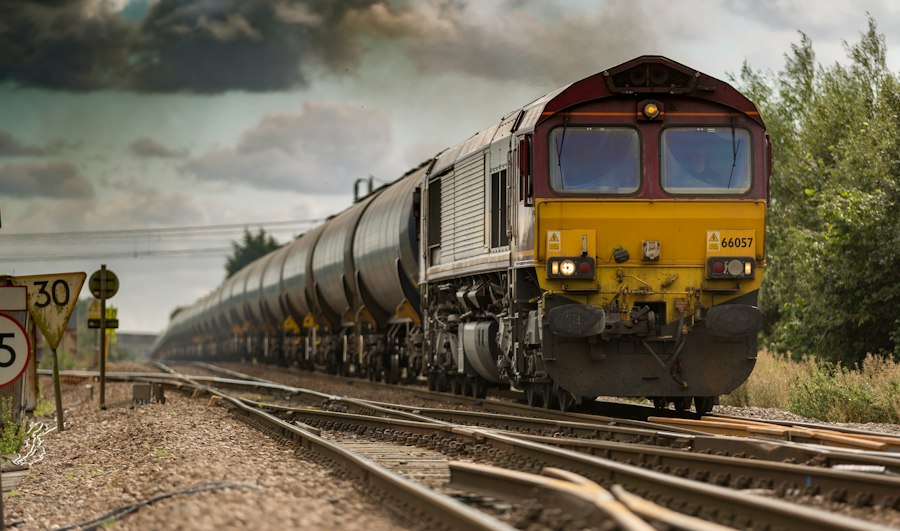
Sleeper trains remain one of the best-kept transport secrets: you travel overnight, skip a hotel bill, and wake up in a new city. In India, book AC 2-Tier for the balance of comfort and cost. In Europe, Interrail passes aren't always the cheapest — compare individual tickets on Trainline first. The best travel tips transport veterans swear by: always carry your own bedsheet liner and a padlock for luggage chains.
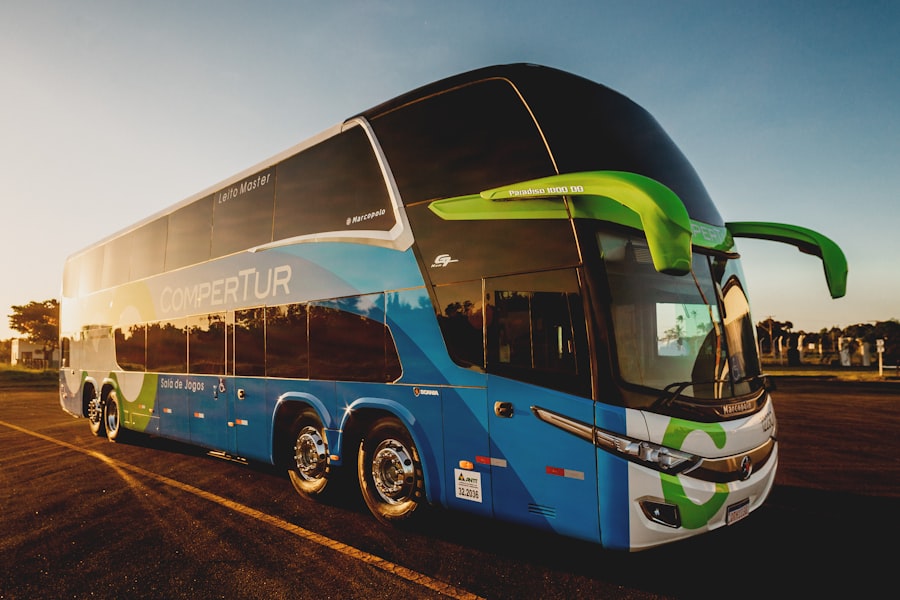
Buses go where trains can't. In Central America, chicken buses are legendary — cheap, chaotic, and full of character. In Japan, overnight Willer Express coaches have privacy hoods and USB charging. The golden rule of bus transport? Check the actual departure point — it's rarely at the address Google shows. Ask locals. Also, sit near the front to reduce motion sickness, and always keep your valuables in a bag on your lap, not in the overhead compartment.

Budget airlines revolutionised travel transport, but the hidden fees can erase every saving. Weigh your bag before you leave — Ryanair, AirAsia, and IndiGo all enforce limits strictly. Book through the airline's own site, never through third-party aggregators (refunds become nearly impossible). If you're flexible on dates, use Google Flights' calendar view to find the cheapest travel day. And always screenshot your booking confirmation — airports in smaller cities don't always have reliable wifi.

Every major city's metro has its own logic. In Seoul, the colour-coded system is a dream. In Paris, the ticket system will confuse you at least once. Download the local metro map offline before you arrive — many cities have apps (Citymapper is excellent for multi-city transport navigation). Buy a rechargeable transit card on day one; single-ride tickets are always overpriced. Rush-hour travel transport in cities like Mumbai or Tokyo requires strategy: travel before 7:30 a.m. or after 9:30 a.m. if possible.

The last-mile transport in most of Asia, Africa, and Latin America is some version of a three-wheeler or shared van. Always agree on the fare before you sit down. In Bangkok, refuse the first tuk-tuk at a tourist spot — walk 50 metres and the price drops by half. In India, insist on the meter or use Ola/Uber. In East Africa, boda-boda motorcycle taxis are fast but risky — wear the helmet even if locals don't, and check your route on Maps beforehand so drivers don't take detours.

Ferries unlock islands, river towns, and coastal routes that road transport simply can't reach. In Thailand, book ferry-bus combos through 12Go Asia for the best integrated transport tickets. In Greece, Ferryhopper lets you compare routes and speeds. Travel transport by water is almost always slower than it looks on a map — factor in loading time, weather delays, and the seasickness you swore wouldn't happen. Pack a plastic bag. Trust us on that one.
The Bigger Picture
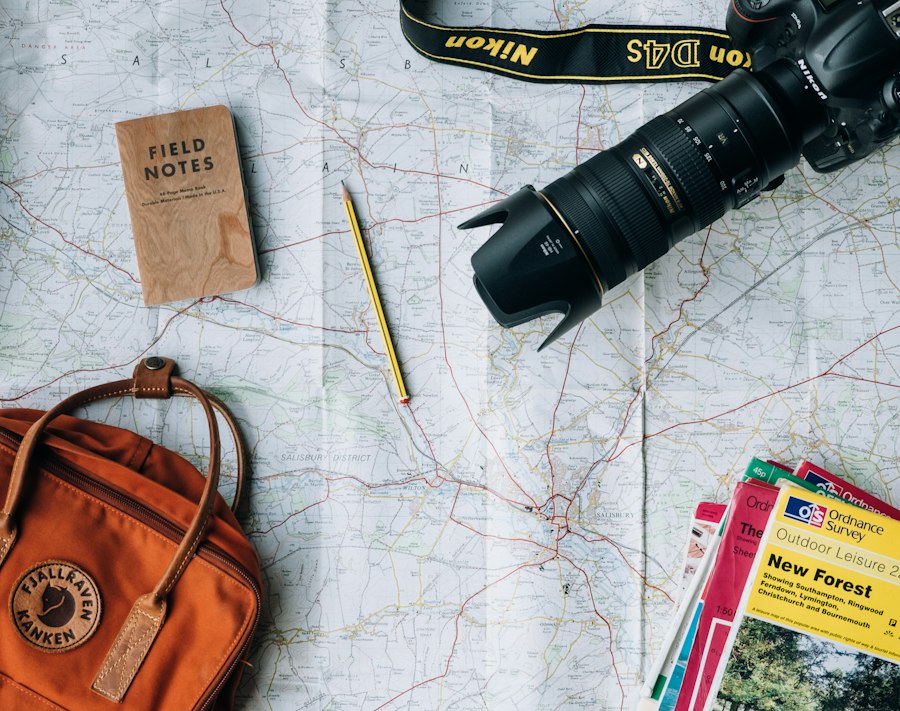
Transport isn't logistics — it's access. The traveller who understands local transport doesn't just save money. They see places that package tourists never reach. They ride the 5 a.m. fishing boat to a village that has no road. They take the local bus through hill country instead of the tourist minivan, and they arrive with stories, not just photographs.
The best travel tips transport advice is deceptively simple: slow down, ask locals, and never assume that the fastest route is the best one. Some of the most memorable travel moments happen during transport itself — the conversations on overnight trains, the impossible sunsets from a bus window, the absurdity of squeezing into a shared jeep with twelve other people and a goat. Embrace the chaos. Plan just enough to stay safe, and leave room for the unplanned.
Practical Advice
Switch the booking website to the local language — fares are sometimes cheaper on the local-language version of train and bus websites. This works especially well in Italy (Trenitalia), Japan (JR), and China (Trip.com in Mandarin). Use your browser's auto-translate after booking to confirm details.
Google Maps allows offline downloads by region. Do this over wifi before you arrive. When your SIM doesn't work or data runs out, offline maps become your most valuable transport tool. Mark your accommodation, the nearest station, and the airport on the map before you go offline.
Taxi and auto-rickshaw drivers in most countries won't have change for large notes — and some will claim they don't even when they do. Break large bills at hotels, supermarkets, or restaurants before you need transport. In cash-heavy countries, this one travel transport tip prevents 80% of fare disputes.
"How much?", "Too expensive", and "Where is the bus station?" — these three transport phrases in the local language will serve you more than any app. Write them on your phone's lock screen note. Drivers respond better when you make even a small effort, and the price often drops.
The taxi rank directly outside arrivals is almost always the most expensive transport option. Walk to the departures level — taxis dropping off passengers will take you for the meter rate. Alternatively, research the airport bus or metro connection before you land. Most major airports connect to the city centre for a fraction of a cab fare.
Transport prices and crowds peak between 7–9 a.m. and 5–7 p.m. in every city on Earth. Shift your travel by even one hour and you'll find cheaper ride-hail prices, available seats on trains, and less stress. Night buses and early-morning trains also let you maximise daylight at your destination.
Complete Travel Tips Hub
Transport is just one piece of the puzzle. Dive into our full library of travel tips — from packing light to eating well, from staying safe to finding the best homestays. Each guide is written from real experience, not recycled internet lists.